The conversation around automation has evolved. It is no longer about replacing humans with machines but about identifying the right balance between both. As McKinsey highlights, contact canter's, and by extension, all service functions, stand at a critical crossroads: deciding how far to advance their technology investments today to enable an AI-driven model for tomorrow.
Across industries, approximately 50–60% of customer interactions remain transactional, routine inquiries that can be efficiently handled by AI. One energy company, for instance, deployed an AI voice assistant that reduced billing-related calls by nearly 20% and shortened call authentication by a full minute. Yet, human support remains essential: 70% of Gen Z and 94% of baby boomers still prefer live assistance when dealing with complex or emotionally charged issues.
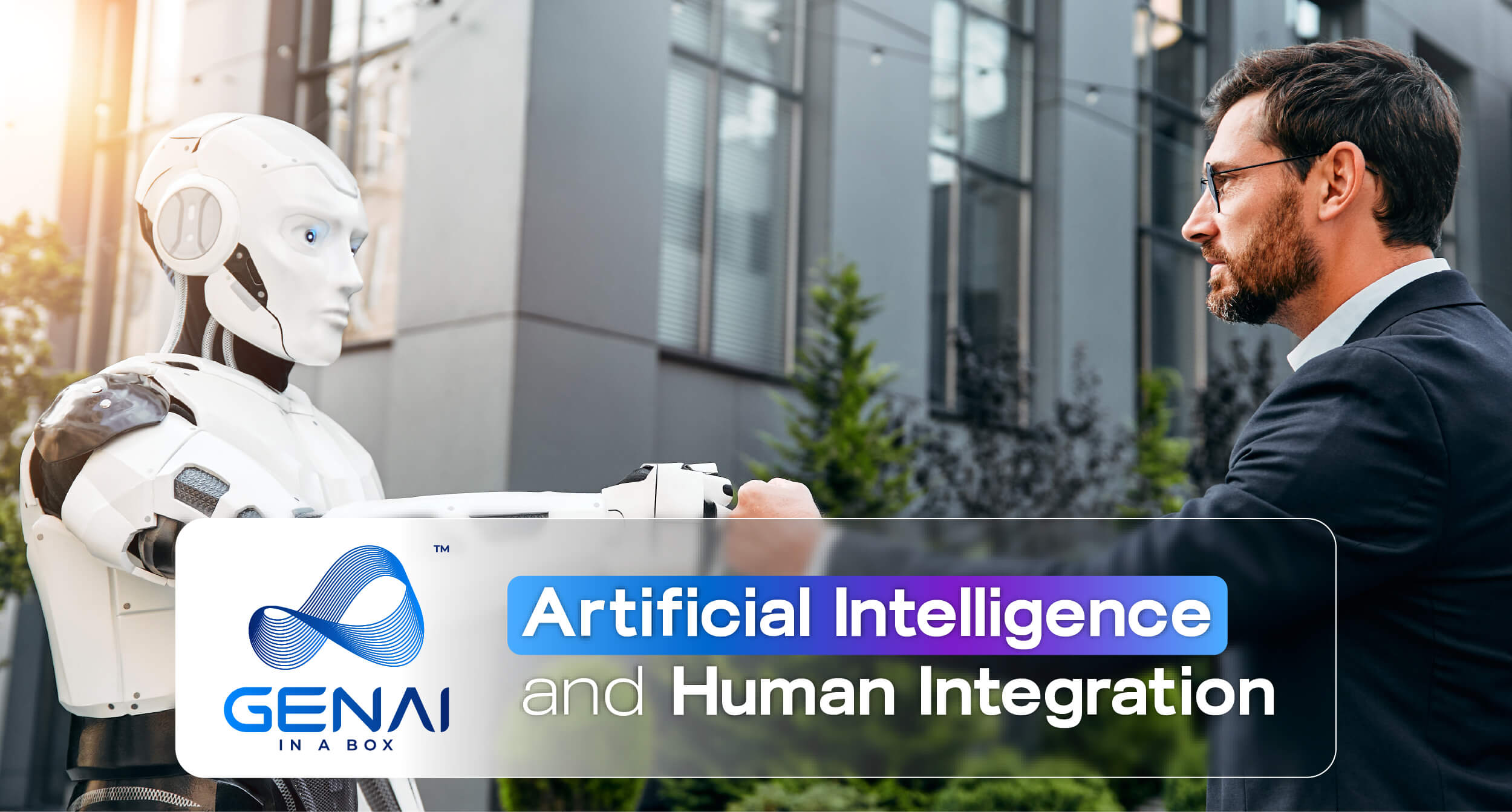
The takeaway is clear: the future workforce will be hybrid AI for scale and speed, humans for empathy and judgment.
From Automation to Collaboration
Integrating AI into operations should not be seen as a cost-reduction exercise alone. Done right, it redefines how organizations operate and create value. McKinsey’s findings show that the real barriers to progress are not technical but structural data fragmentation, poor system integration, and limited change readiness.
Organizations that adopt a human + machine operating model experience:
- Redefined roles – Agents evolve into advisors and exception handlers, while AI handles repetitive tasks.
- Faster decision-making – Real-time insights and recommendations empower human judgment.
- Improved customer experience – Reduced waiting time, higher personalization, and greater accuracy.
- Enhanced workforce satisfaction – Employees focus on complex, rewarding work instead of routine tasks.
The transformation is not about introducing more technology but about designing systems that allow people and AI to complement one another.
Key Learnings for Leaders
- Focus on measurable value Move beyond automation metrics. Track the human and business outcomes that emerge when AI augments work, speed, accuracy, and customer satisfaction.
- Strengthen foundational systems Successful AI integration depends on high-quality data, robust infrastructure, and unified platforms. Without these, scaling AI remains costly and inconsistent.
- Design for human-AI synergy Build workflows where AI provides summaries, recommendations, and insights, while humans retain decision authority.
- Differentiate transactional from complex interactions Deploy automation for the predictable 60%, and reserve human oversight for the exceptions that drive trust and retention.
- Maintain a customer-centric approach Efficiency must not come at the expense of empathy. Demographic and behavioral preferences show that human connection remains integral to brand loyalty.
Preparing for the Next Phase
The organizations leading this transformation are not those replacing humans, but those reimagining how humans and AI can work together. We believe this shift requires more than adopting AI tools it demands a strategic redesign of processes, data flow, and culture.
GenAI-in-a-Box enables enterprises to implement this hybrid model with agility empowering human expertise through intelligent automation, while maintaining control, compliance, and visibility across operations.
Connect with us to explore how GenAI-in-a-Box can accelerate your organization’s transition toward a human–AI integrated future.
Visit us at: https://genaiinabox.ai/